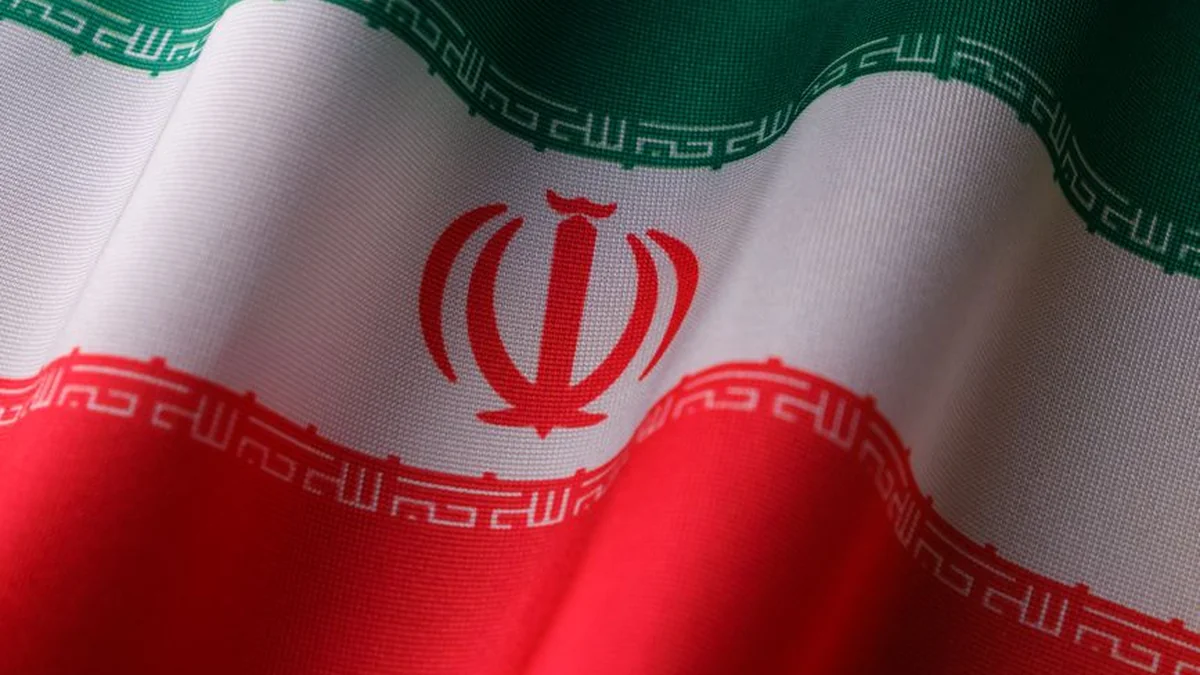
Global oil prices have seen an increase amid escalating geopolitical tensions, stemming from ongoing concern regarding potential disruptions to major global energy transit routes. The focus of this heightened volatility centers on the Strait of Hormuz, a critical waterway whose stability underpins international energy supply chains. The situation remains tense following statements from the Iranian Ministry of Foreign Affairs.
According to Abbas Araghchi, the Iranian official indicated that Iran will not reopen the vital strait until specific preconditions are met. These conditions reportedly include the lifting of existing sanctions by the United States and the payment of war reparations, issues that have generated significant friction with Washington. Market indicators reflect this uncertainty.
Crude oil benchmarks, such as “Brent,” are currently trading at $84.46 per barrel, signaling investor apprehension about supply continuity. The geopolitical risk associated with the potential closure of the strait is the primary driver of this market movement. Industry analysis suggests that the uncertainty surrounding the passage through the waterway remains high until a comprehensive agreement is reached between the involved parties.
The significance of the Strait of Hormuz cannot be overstated, as it handles a substantial portion of the world’s seaborne oil trade. Consequently, any perceived restriction or threat to its passage generates immediate upward pressure on commodity prices, highlighting the deep interdependence between regional stability and global economic health.
Topics: #strait #concern #iran