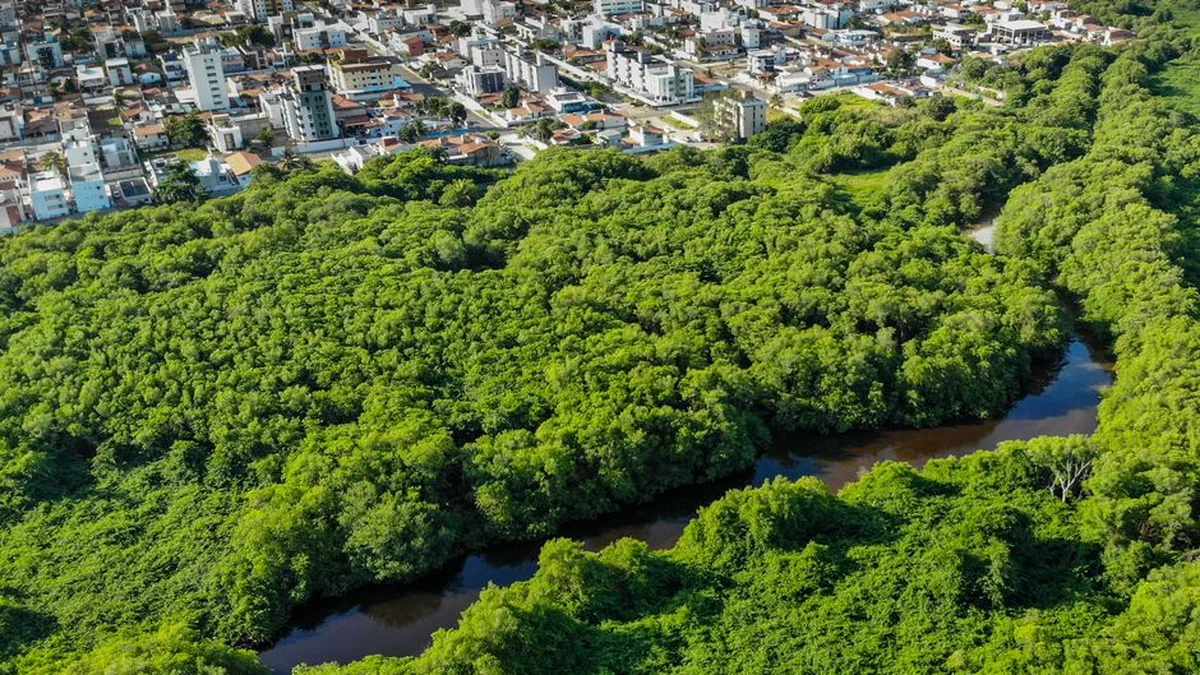
Public health analyses conducted by Centaur indicate that recreational and domestic use of natural surface water sources in Veles is currently unsafe. The findings show that the rivers Topola and Babuna are micro-biologically polluted and have not shown signs of recovery suitable for watering or recreation. This situation compounds the existing restrictions, as Lake Mljet has been under a ban for the past two years.
Consequently, the safest options for local residents are limited to the city’s municipal water supply and private hotel water sources. Specific assessments reveal significant deterioration in the quality of the Topola river. In the upper reaches of the river, water quality is already compromised.
Furthermore, the area known as “Chakka-Kaklishte” has been classified as third class due to high levels of silt and poor microbiological conditions. The decline in water quality becomes more pronounced in the lower sections of the Topola, particularly before its confluence with the Vardar River. At this junction, analyses recorded a catastrophic fifth class rating for silt contamination, alongside a third class rating for microbiological contamination.
These repeated findings underscore widespread pollution issues across the region’s natural waterways. The data suggests that the contamination levels in both the Topola and Babuna necessitate strict adherence to alternative, treated water sources for public safety.
Topics: #water #topola #babuna