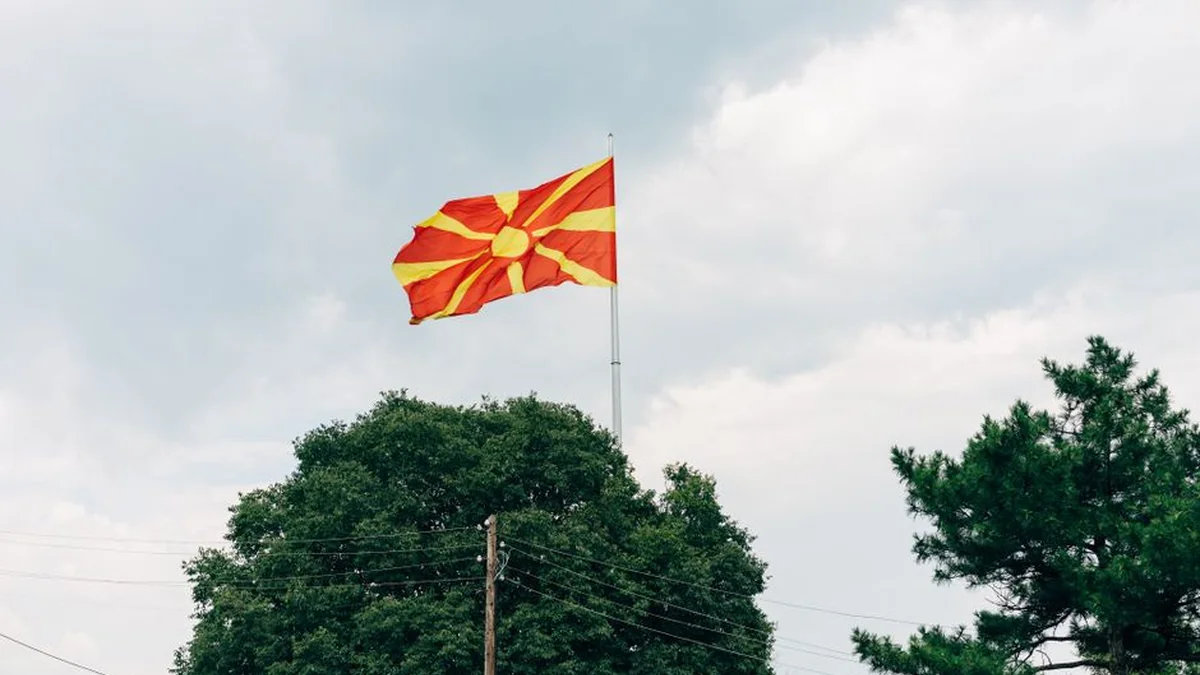
Macedonian politician Dashkailovski addressed the complex topic of electoral reform in Macedonia on June 26, 2026. The discussion centered on the potential impact of establishing a unified electoral system, particularly concerning the role of an electoral threshold. A central concept debated is the implementation of a single electoral unit, often associated with a fixed national threshold, typically set at 3 or 5 percent.
Proponents of this structure argue that maintaining a single electoral unit is crucial for ensuring the fair distribution of mandates across the nation. According to this viewpoint, such a measure would prevent the fragmentation of political power and restrict the entry of political lists that possess negligible levels of public support. However, analyses simulating past elections in Macedonia, covering the period from 2002 through 2024, suggest that the implications of adopting such a uniform electoral framework are far-reaching and potentially disruptive.
These simulations indicate that the proposal to consolidate the electoral system into one unit could significantly alter the ultimate outcome of parliamentary elections. The debate highlights a fundamental tension between administrative simplicity and political representation. While the concept of one electoral unit promises stability by curbing minor political participation, the historical data suggests that the precise nature of the electoral threshold remains a critical factor in determining the political landscape of Macedonia.
Therefore, any proposed reform must reconcile the goal of structural integrity with the need to accurately reflect the diverse political will of the electorate.
Topics: #electoral #macedonia #one