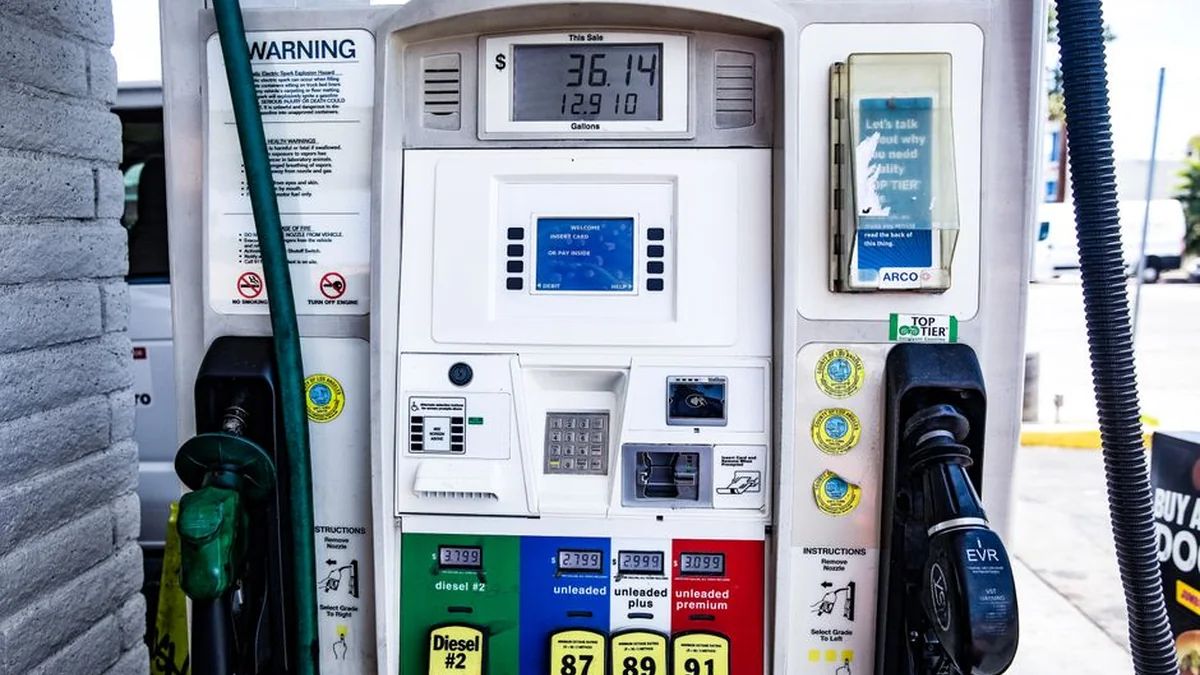
According to Marjan Risteiski, Deputy Minister for Economy and Labor, current measures are sufficient to manage inflation and control the prices of various products domestically, negating the immediate need for new governmental interventions. The government has already implemented reductions in the tax levied on fuel and the Value Added Tax (VAT) applied to it. Risteiski noted that any recent adjustments to diesel prices are determined by global market rates.
A primary focus of the administration is maintaining fuel costs at a level competitive with neighboring regional countries, thereby preventing significant price shocks that could originate from over-supplied producers. The Deputy Minister emphasized that the government’s priority is safeguarding the standard of living and the overall economic capacity of citizens. He stated that while comprehensive analyses are conducted before implementing major policy changes, the authorities must guard against any measures that could degrade these essential standards.
The core economic strategy, as presented, revolves around price stability for essential goods and energy. Maintaining affordable fuel prices is crucial for preventing inflationary spirals and ensuring that the cost of living remains manageable for the population. The administration remains committed to monitoring international trends to ensure domestic prices for all products remain stable and competitive within the regional market framework.
Topics: #prices #fuel #products