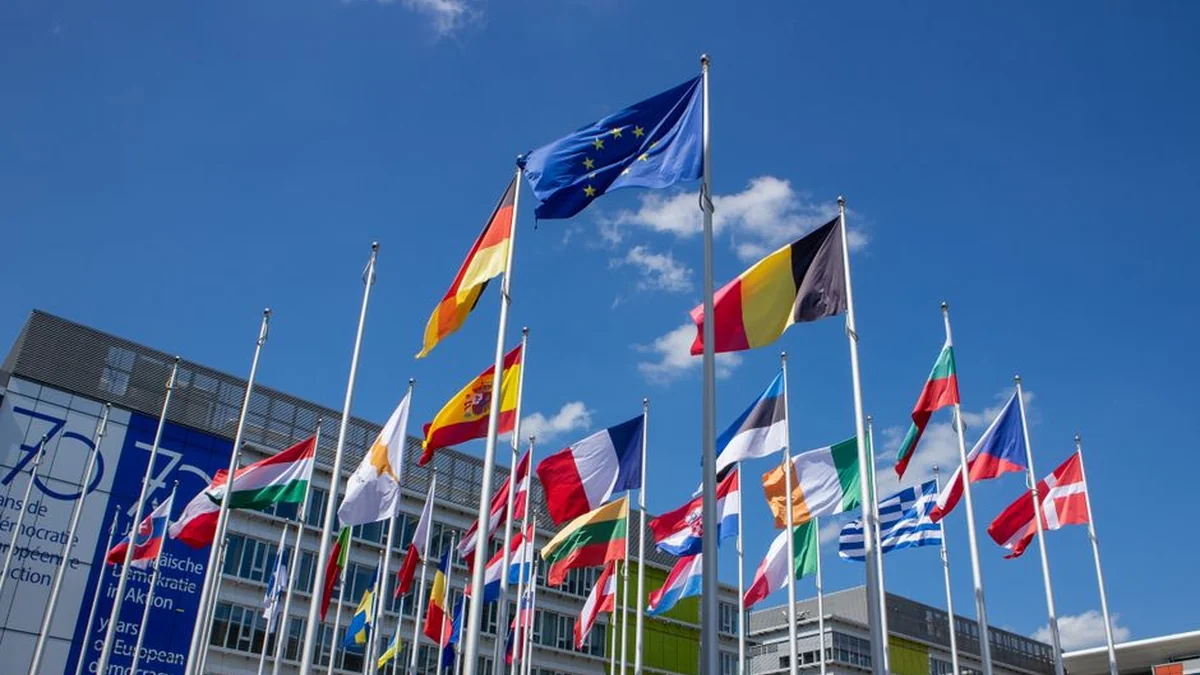
The European Commission is reportedly developing a comprehensive plan for the accession of future member countries into the European Union, centered on a framework termed “gradual integration.” According to reports, this strategy is designed to provide candidate nations with tangible economic benefits while systematically guiding them toward formal EU membership status. The core concept of “gradual integration” posits that countries aspiring to join the bloc will progressively gain access to the EU’s established programs, financial funding, and the single market’s trade mechanisms. This access is contingent upon the candidate nation’s adherence to and progress through a defined reform process.
This approach represents a distinct departure from previous models, such as “territorial membership,” which were associated with the creation of entirely new political states. Instead, the focus of the current European strategy is on functional and economic alignment. By emphasizing gradual integration, the EU aims to facilitate deep institutional alignment.
Candidate countries benefit from a phased entry, allowing their economies and governance structures to adapt incrementally to the standards and regulations of the broader European market. This measured process is intended to ensure that incoming members are economically prepared and structurally compatible with the existing European framework. The plan suggests that rather than a single, immediate accession event, the path to full membership will be achieved through sustained, monitored cooperation and deepening economic integration.
Topics: #european #gradual #integration