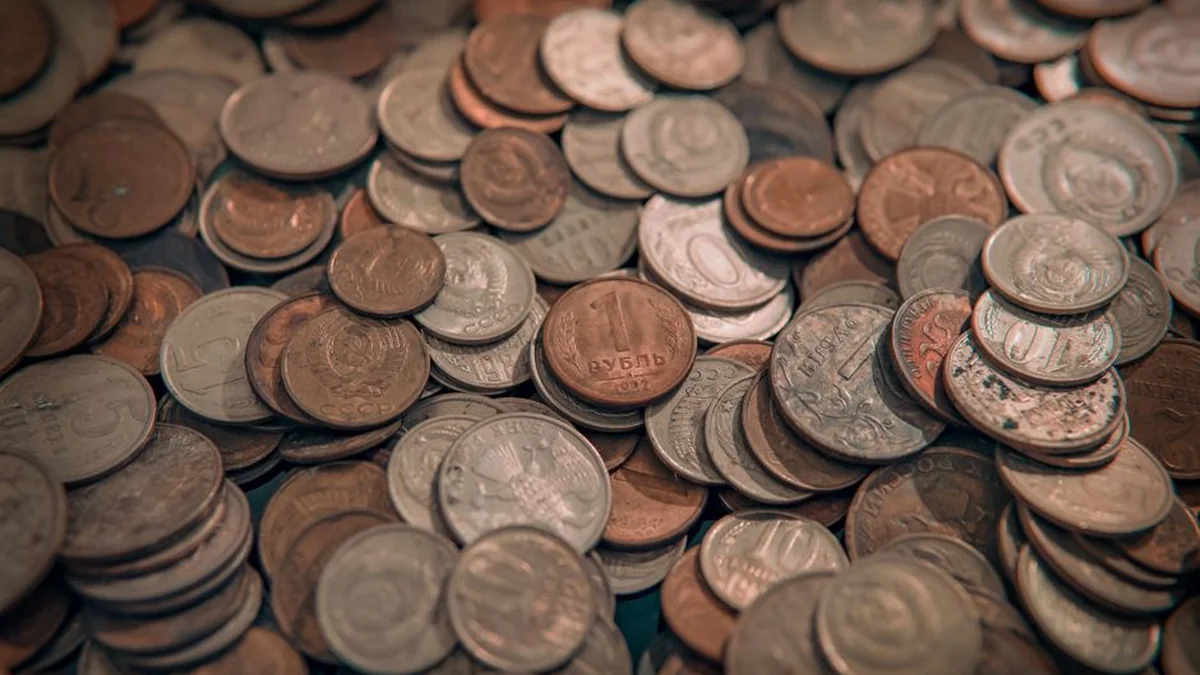
Five years of archaeological excavation at Gradiste, located near Crno Buki in Bitolsko, have yielded significant historical artifacts, most notably over 400 coins. These finds represent a deep chronological span, encompassing coinage minted during the time of Philip II of Macedon, as well as pieces dating to Octavian Augustus and various ancient centers such as Thessaloniki, Pel, Amphipolis, and Dirrachium. According to archaeologist Engin Nassuk, the recovered coins are proving invaluable in mapping the precise chronology of the settlement.
The comprehensive numismatic data collected is currently undergoing detailed cleaning and analysis by researchers. Previous excavations have already established that Gradiste was a developed urban center during the Macedonian-Hellenistic period. Evidence uncovered includes remnants of workshops, marketplaces, and a rich material culture that persisted through the end of the ancient era.
While the site’s historical significance is clear, scholars are still developing definitive theories regarding its precise function, particularly concerning its potential role as a gathering point for ancient communities such as Perseida or Linke. Despite the depth of the discoveries, the excavation work remains active. The ongoing analysis of the recovered artifacts, particularly the diverse coins, promises to further illuminate the complex history and interconnectedness of this significant ancient site.
The continuous work aims to build a complete picture of the region’s development across millennia.
Topics: #coins #ancient #over