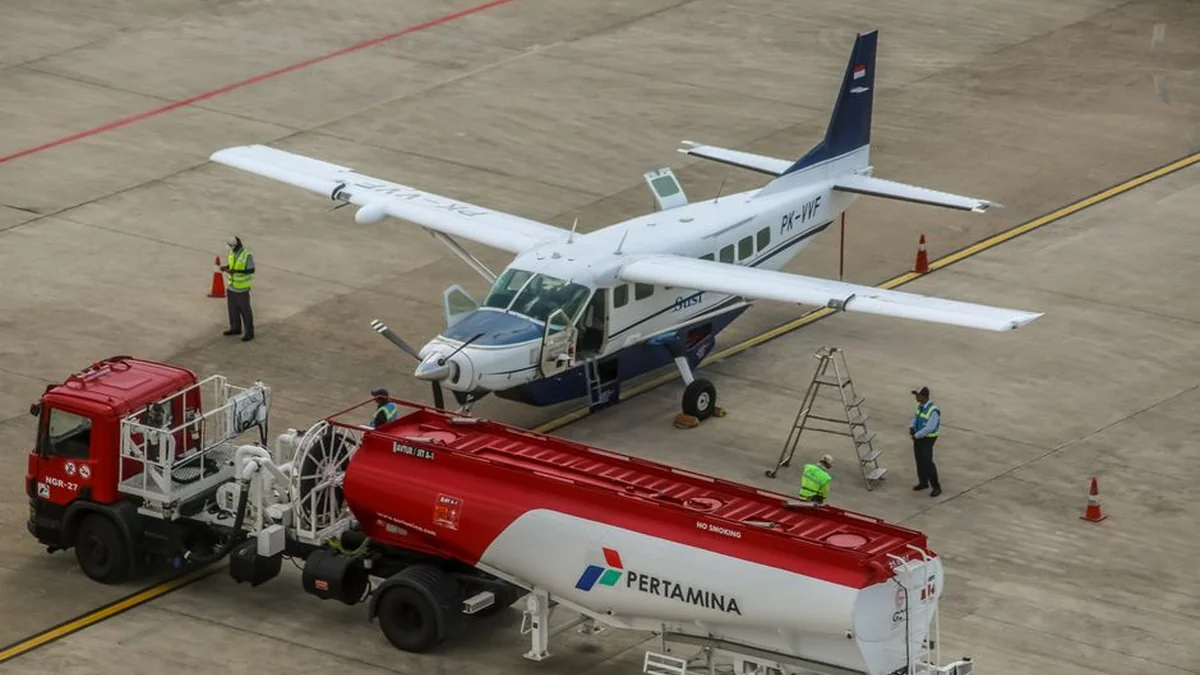
Current economic trends in the aviation sector reveal a divergence between operational costs and consumer ticket prices. While the cost of fuel for airplane travel is experiencing a notable decline, the final prices paid by passengers have remained relatively static. According to reports, the cost of aviation fuel, which saw significant increases during periods of geopolitical tension, such as the recent aggression concerning Iran, has fallen substantially over the past two months.
This reduction in the primary operational expense for airlines presents a complex financial situation for the industry. Despite the downward trend in fuel prices, the cost structure presented to the traveling public has not seen a corresponding decrease. This discrepancy between falling input costs and stable ticket prices has prompted airlines to seek justifications for operational adjustments.
The situation was recently highlighted by the cancellation of numerous flights by US carriers on November 7, 2025. These service cuts followed an order issued by the Federal Aviation Administration (FAA), amid ongoing governmental shutdowns. The inability to fully pass on savings derived from lower fuel costs, coupled with external regulatory pressures, suggests that airlines are managing reduced profitability through service reductions.
Overall, the market reflects a period of economic transition for the airplane travel industry. While the declining fuel prices suggest potential future improvements in operational viability, the persistence of high passenger prices indicates that current market demands and overhead costs are maintaining a significant financial gap.
Topics: #fuel #prices #airplane