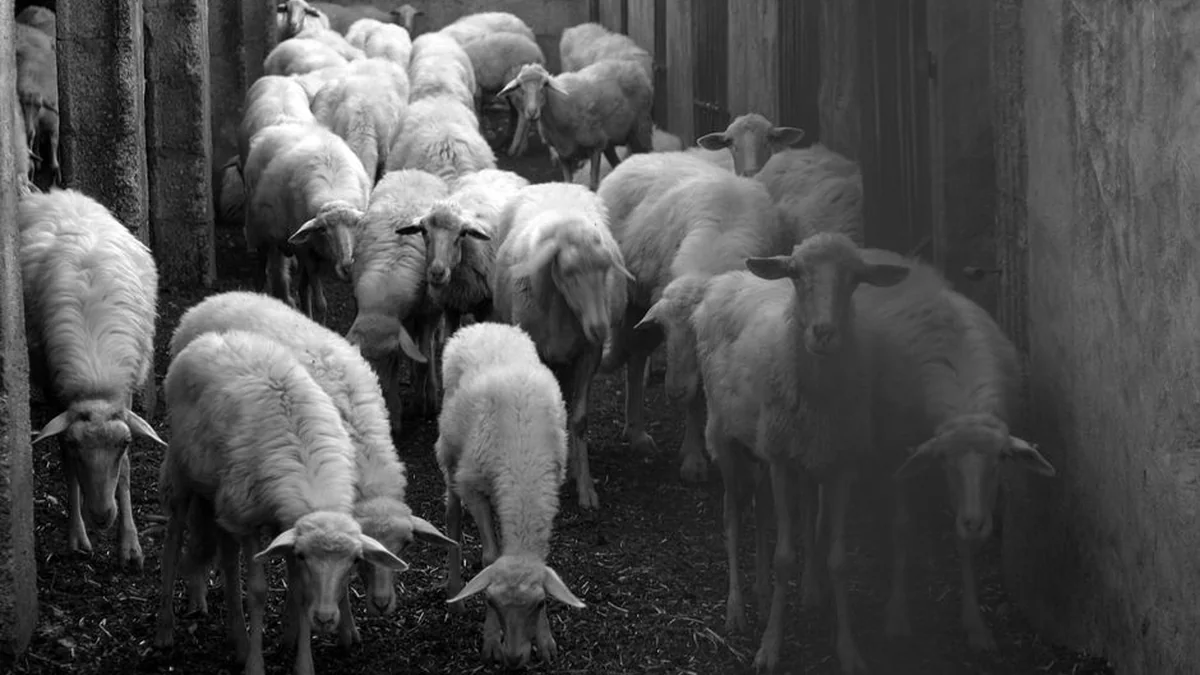
The trajectory of livestock numbers within the European Union is increasingly viewed as a critical and problematic trend impacting Balkan markets. Stringent environmental regulations and reduced subsidies are compelling Europe to discourage the production of meat and dairy goods, positioning the region toward greater reliance on food imports. Nenad Budimirović, secretary of the Association of Livestock Production within the Serbian Chamber of Commerce (PKS), expressed concern regarding the implications of these changes, particularly referencing emissions concerns.
He argued that nations like Serbia and other regions dependent on imports should not be compelled to increase their capacity purchases, especially when the economic policies emanating from Brussels directly impact domestic farming operations. Data from Eurostat has reportedly highlighted statistics confirming the ongoing sectorial challenges. The current regulatory environment within the European bloc appears to be creating significant headwinds for traditional agricultural practices.
Critics suggest that the combination of environmental mandates and financial constraints is fundamentally altering the economic viability of local livestock production. The core concern revolves around the potential economic strain placed on Balkan economies. If the European Union continues to enforce policies that limit domestic production while simultaneously increasing import dependency, it raises questions about the sustainability of regional food security.
The balance between environmental goals and the economic stability of local farmers remains a central point of contention.
Topics: #european #livestock #production