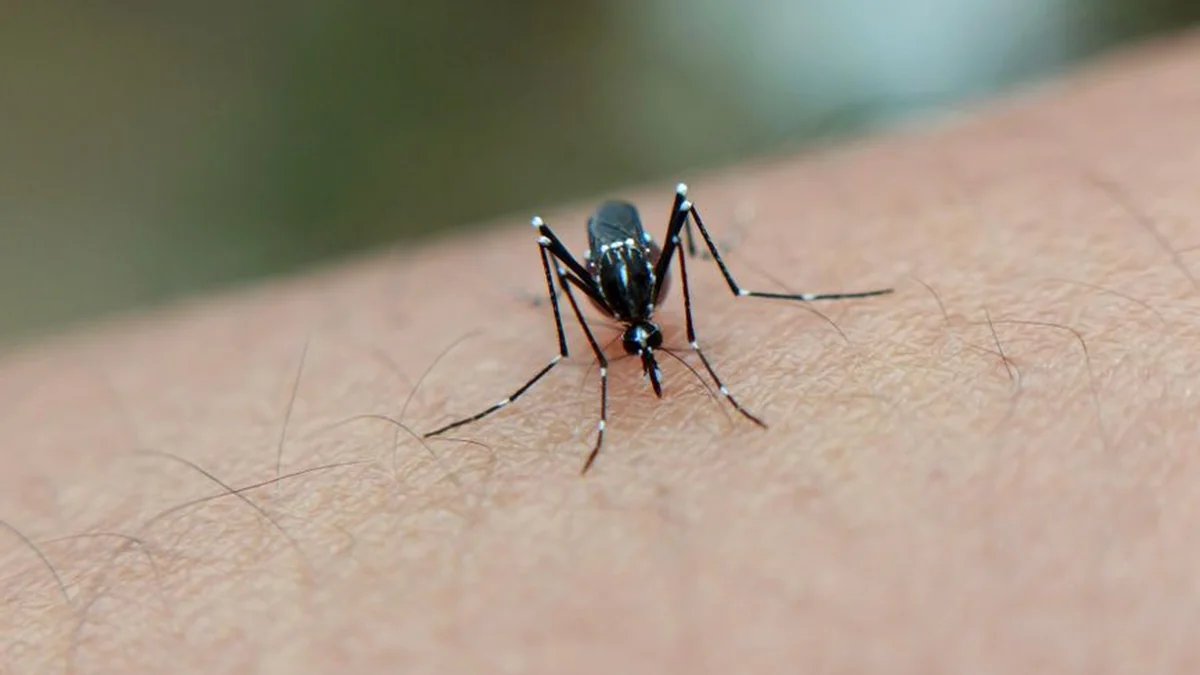
The Institute for Public Health (IPH) has reported recent surveillance data indicating several outbreaks of vector-borne diseases. According to the institute, current findings include four cases of malaria, alongside three reported instances of West Nile fever and three cases of dengue fever. Additionally, one case of the Zika virus has been identified among the monitored cases.
Experts suggest that the increasing incidence of these diseases is linked to evolving environmental factors. Specifically, shifts in energy trends, combined with the precarious state of the global climate, are contributing to a heightened risk profile. This environmental instability increases the potential for intensive transmission of infectious diseases into geographical regions where these illnesses were not previously documented.
Addressing this escalating public health concern, Dr. Dragan Kojic, a specialist epidemiologist at the Epidemiology Institute of Infectious Diseases within the IPH, issued a warning regarding the summer months. Dr.
Kojic emphasized that vector-borne diseases represent a significant and growing threat to public health infrastructure. The accumulation of these specific cases underscores the need for heightened vigilance across public health sectors. The data suggests that routine monitoring must be adapted to account for the changing ecological niches that favor disease vectors.
Authorities are advising the public and healthcare providers to remain aware of the transmission patterns associated with these illnesses as they continue to spread across varied geographic boundaries.
Topics: #cases #four #malaria