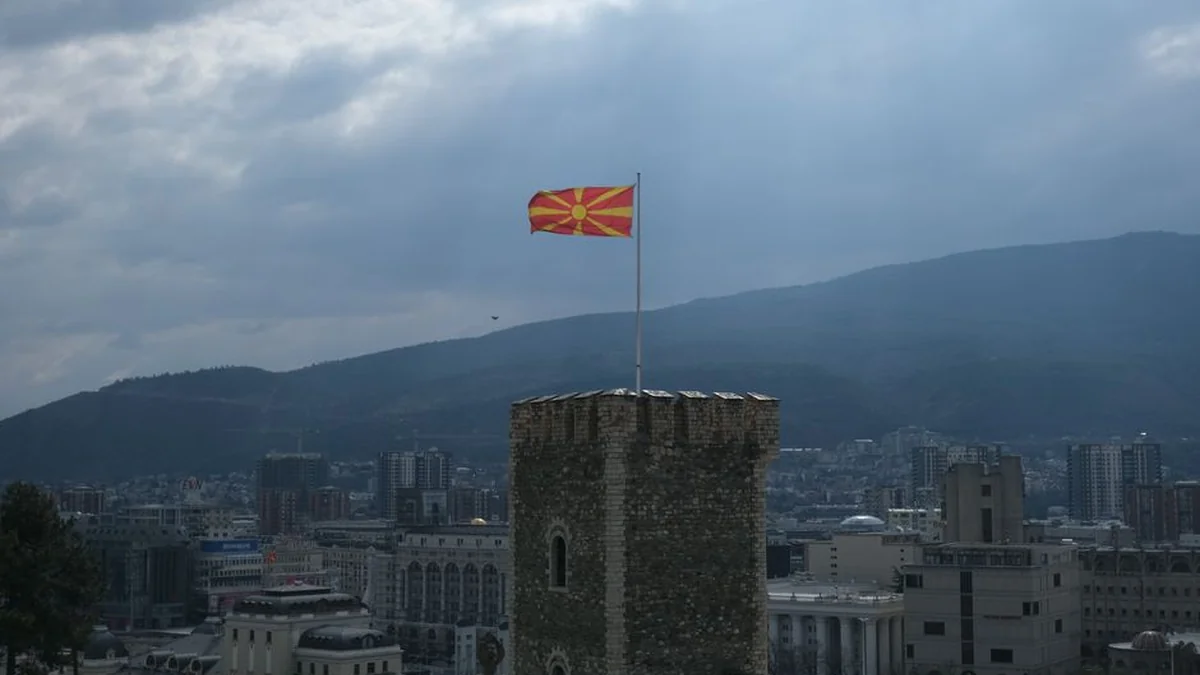
In July 2022, Macedonia entered a new phase concerning its European trajectory. Concurrently, the nation continued navigating a long-standing dispute surrounding the Macedonian language, its nomenclature, historical narrative, and the right to self-determination regarding its official designation. At the forefront of the discussions were critical topics, including the structural framework for negotiations, proposed official amendments, bilateral protocols, and the broader European perspective.
These discussions inherently involved assessing the political cost associated with any potential compromise. However, underlying these formal negotiations was a more nuanced and fundamental disagreement: whether a language—with its deep history, established written tradition, contemporary norms, and living spoken form—could be adequately defined or codified solely through political documentation. The core challenge highlighted is the distinction between linguistic reality and political decree.
While international dialogues focus on agreements and declarations, the status of a language is fundamentally rooted in cultural and historical continuity. The academic consensus suggests that a language is not constituted by a mere declaration. Therefore, the political attempts to define the parameters of the Macedonian language through treaties risk overlooking the complex organic nature of the language itself.
The ongoing process thus balances the necessity of international political alignment with the preservation of the intrinsic cultural rights associated with its language.
Topics: #its #macedonian #language